For parents & caregivers

Helping every child thrive, together

Support. Resources. Learning.

A warm, practical place for parents and caregivers to find guidance, activities and resources at every stage of learning, from the toddler years through 6th grade.

Toddlers3-K & Pre-KKindergartenGrades 1–3Grades 4–6
Caregiver reading a book with a young child

Get Your Personalized Family Resources

Tell us your child’s age or grade, your state, and what you’d like help with. The Edify Learning Group team will send resources selected for your family.

Free to join

We’ll only use your information to send family resources. You can unsubscribe anytime.


    I'd like help with


    ↑ Back to top
    Section 1

    What Should My Child Know?

    Every child grows at their own pace. These guides show what many children are learning at each stage, so you can celebrate progress, support next steps, and have better conversations with teachers.

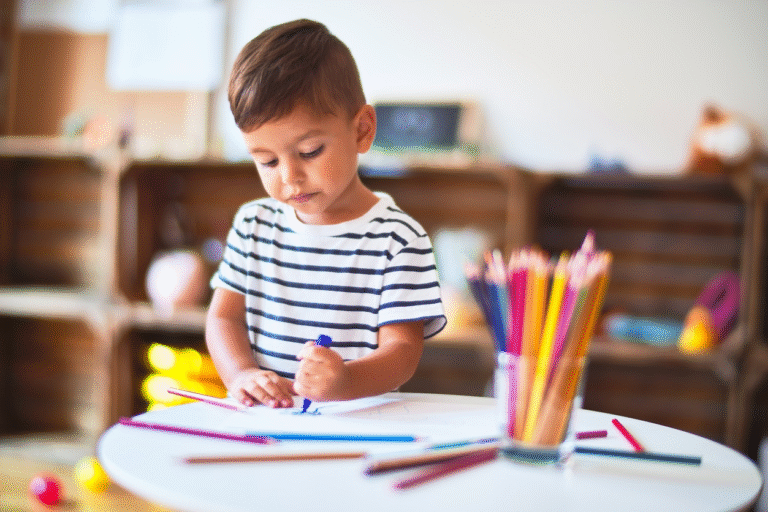
    Young child drawing

    This is a snapshot

    The table below shows a few examples of what many children are learning at each stage. It is not a complete list or an assessment. Every child develops at their own pace, and each state sets its own learning standards.

    A snapshot by stage

    StageLanguage & LiteracyMathSocial-Emotional
    Toddlers
    (1–2 years)
    Points to and names familiar things; enjoys simple books and songsNotices “more” and “all gone”; fits shapes and stacks blocksPlays near other children; begins to show likes and dislikes
    3-K
    (age 3)
    Talks in short sentences; retells parts of favorite storiesCounts small groups of objects; sorts by color or sizeTakes turns with help; names simple feelings
    Pre-K
    (age 4)
    Recognizes some letters, especially in their name; plays with rhymesCounts objects to about 10 or more; compares “more” and “fewer”Follows classroom routines; uses words to solve small conflicts
    KindergartenMatches letters and sounds; reads simple wordsCounts to 100; adds and subtracts within 10Works in a group; manages frustration with support
    Grades 1–3Reads with growing fluency; writes short stories and opinionsAdds and subtracts with larger numbers; begins multiplication (Grade 3)Builds friendships; takes responsibility for work
    Grades 4–6Reads longer texts; writes essays with evidenceFractions, decimals and multi-step problemsBuilds independence, self-advocacy and study habits

    Questions about your child’s progress?

    Every child is different

    Children grow at different paces. If something feels off, trust your instincts and start a conversation.

    Talk with the teacher

    Ask: “What is my child working on right now, and how can I help at home?”

    Ask us

    Use the free Family Resources form and tell us your child’s grade and state. We’ll send resources picked for your family.

    ↑ Back to top
    Section 2

    Learning at Home

    Learning happens everywhere: at the kitchen table, in the car, at bedtime. These simple, low-cost ideas turn everyday moments into learning moments.

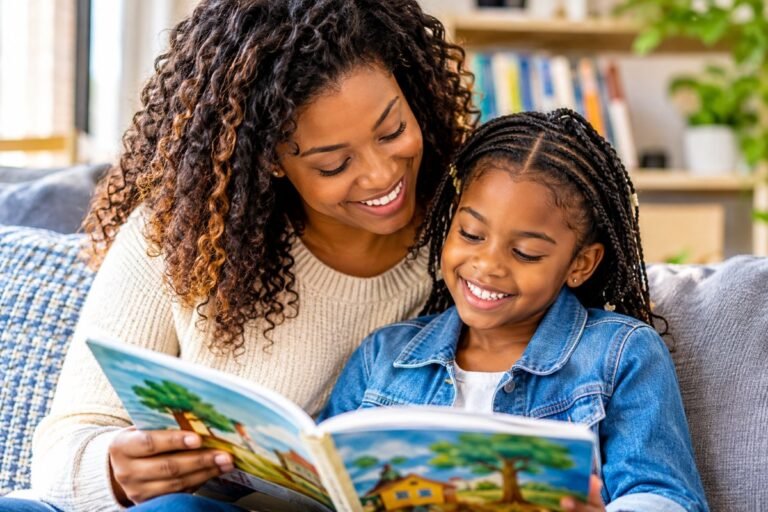
    Mother and daughter reading together

    Reading Together

    • Read aloud for 15 minutes a day
    • Ask “What do you think will happen next?”
    • Point out letters on signs and labels

    Everyday Math

    • Count steps, snacks and toys
    • Measure ingredients while cooking
    • Notice shapes and patterns on walks

    STEM & Discovery

    • Sink-or-float experiments in the tub
    • Build towers and bridges with recycled boxes
    • Keep a simple weather or nature log

    Play-Based Learning

    • Pretend play: store, restaurant, doctor
    • Puzzles, blocks and board games
    • Let children lead and ask questions

    Free printable: Learning at Home Activity Pack

    7 pages · Toddlers through Grade 6 · Free

    • 18 everyday activities sorted by age: Toddlers–Pre-K, Kindergarten–Grade 2, and Grades 3–6
    • A printable family reading log
    • Family Book Bingo

    Tip: sign up below and we’ll email you a copy, too.

    Open the Activity Pack (PDF) →
    ↑ Back to top
    Section 3

    Parenting & School Support

    You are your child’s first and most important teacher. These guides help you understand your child’s development and partner confidently with their school.

    Family meeting with a teacher

    Child Development

    What’s typical at each age, and when it may help to talk with your child’s doctor or teacher.

    Behavior & Big Feelings

    Calm routines, clear expectations and ways to help children name and manage feelings.

    IEPs & 504 Plans

    What each plan is, how to request an evaluation, and questions to ask at meetings.

    School Transitions

    Getting ready for Pre-K, Kindergarten, a new school or middle school.

    Parent Advocacy

    How to build a strong partnership with teachers and speak up for your child’s needs.

    IEP or 504: what’s the difference?

    IEP (Individualized Education Program)504 Plan
    Federal lawIndividuals with Disabilities Education Act (IDEA)Section 504 of the Rehabilitation Act
    What it providesSpecialized instruction and related services designed for your childAccommodations so your child can access learning in the general classroom
    How to startPut your request for an evaluation in writing to your child’s school, and keep a copy.

    This section shares general information, not legal advice. Your child’s school can explain your rights and next steps.

    ↑ Back to top
    Section 4

    Explore My Community

    Some of the best learning happens outside the classroom. Find free and low-cost places to learn and play together.

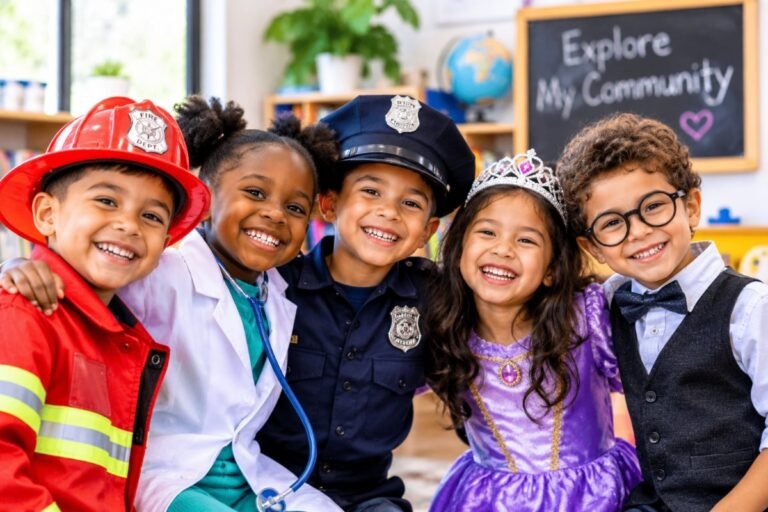
    Children dressed as community helpers

    Start with a free library card

    Your library card unlocks story times, homework help, e-books, and in many towns, free museum passes. It’s the single best free family resource.

    Free museum passes

    Many libraries lend free passes to museums and attractions. Ask at your library’s front desk.

    Parks & recreation

    Local parks departments run free kids’ programs, from crafts and sports to nature walks.

    Find things to do near you

    Where you liveWhere to look
    New York CityCulture Pass: free museum and cultural passes with a New York Public Library, Brooklyn Public Library or Queens Public Library card.
    NYC Parks: Best for Kids: free events in parks across all five boroughs.
    Westchester County, NYWestchester Library System: find your local library among Westchester’s 38 public libraries. Ask your home library about museum passes.
    Rockland & Orange Counties, NYRamapo Catskill Library System: links to public libraries in Rockland, Orange, Sullivan and southern Ulster counties.
    New JerseyNew Jersey Public Libraries Directory from the New Jersey State Library.
    ConnecticutPublic Libraries of Connecticut: every town library with its website.

    Programs and passes are run by each library or agency and can change. Check their websites for current details.

    ↑ Back to top
    Section 5

    Family Learning Journal

    Short, practical articles written for families by Edify Learning Group’s educators.

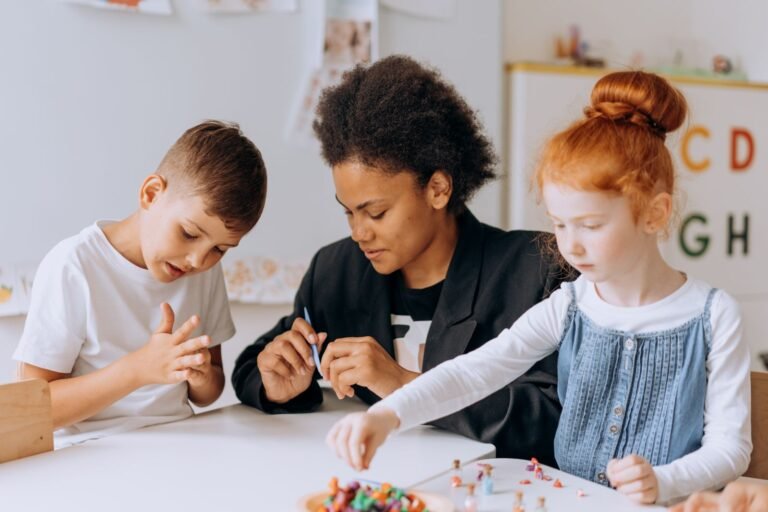
    Educator with children

    5 Ways to Build a Reading Habit Before Kindergarten

    1. Read every day, even for 10 minutes. A short daily routine matters more than a long one now and then.
    2. Let your child choose. Children read more when the book is about something they love.
    3. Talk about the pictures. Ask, “What do you see? What might happen next?”
    4. Read it again. Re-reading favorites builds vocabulary and confidence.
    5. Make books easy to reach. A small basket in the living room invites reading anytime.

    Making Math Part of Everyday Life

    Math is everywhere at home. Count stairs as you climb. Compare “more” and “less” at snack time. Let older children measure ingredients, read a recipe, or figure out change at the store. When children see math in real life, it stops feeling like homework and starts making sense.

    Try this week: ask one “how many” or “how much” question every day.

    Getting the Most From a Parent-Teacher Conference

    • Before: ask your child what they like and find hard at school. Write down 2–3 questions.
    • During: ask “What is my child doing well?”, “What are they working on?” and “How can I help at home?”
    • After: share one positive thing with your child, and agree on one goal together.